
Paver Restoration
on Long Island, NY
Bring Your Long Island Pavers
Back to Life
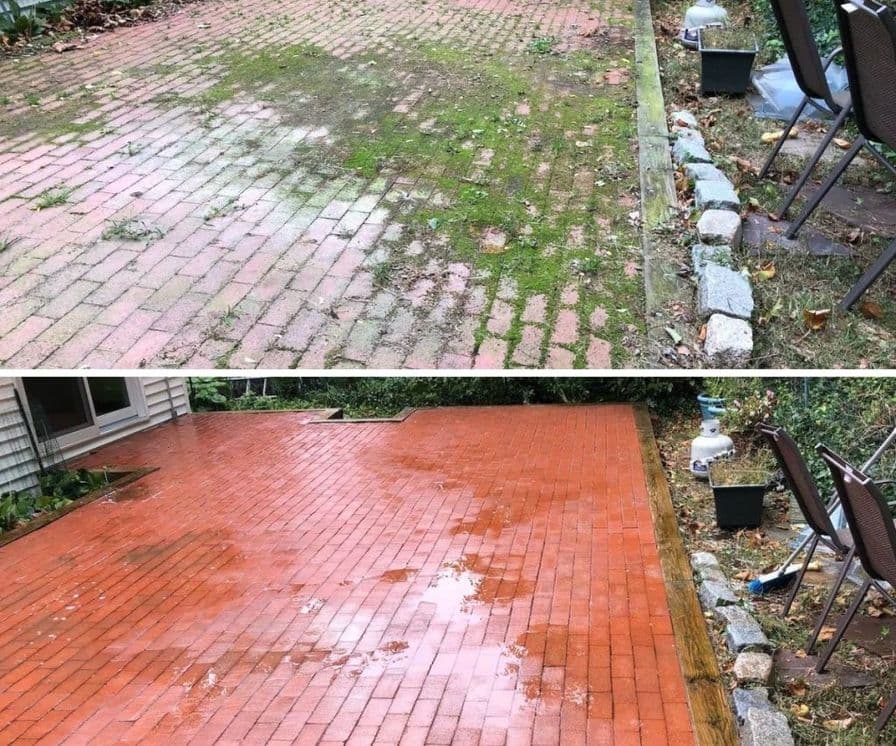
Long Island’s coastal moisture and humid summers push algae, moss, and organic growth deep into the joints of paver patios and stone walkways. There’s a lot of high-end paver and natural-stone hardscape out here, and over the years it fades, grows weeds, and loses the crisp look it had the day it went in. The good news is that most of it can be brought all the way back.
Our approach comes down to three parts. We clean the pavers, we re-sand the joints when they need it, and we seal the pavers when it’s appropriate. Cleaning, restoration, and repair all come from one crew, so you’re not chasing three companies to finish one patio. Squeaky Clean Property Solutions handles the whole job start to finish.
If your hardscape has seen better days, call us at (631) 387-2156 and we’ll get you an exact quote.
Our Paver Restoration Services
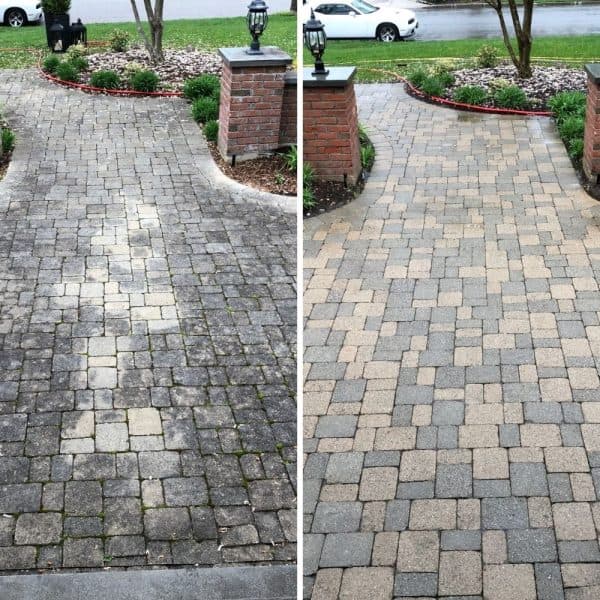
Paver Cleaning
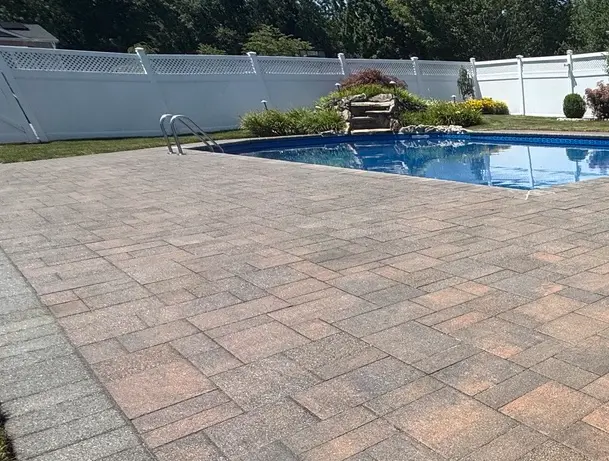
Paver Sealing
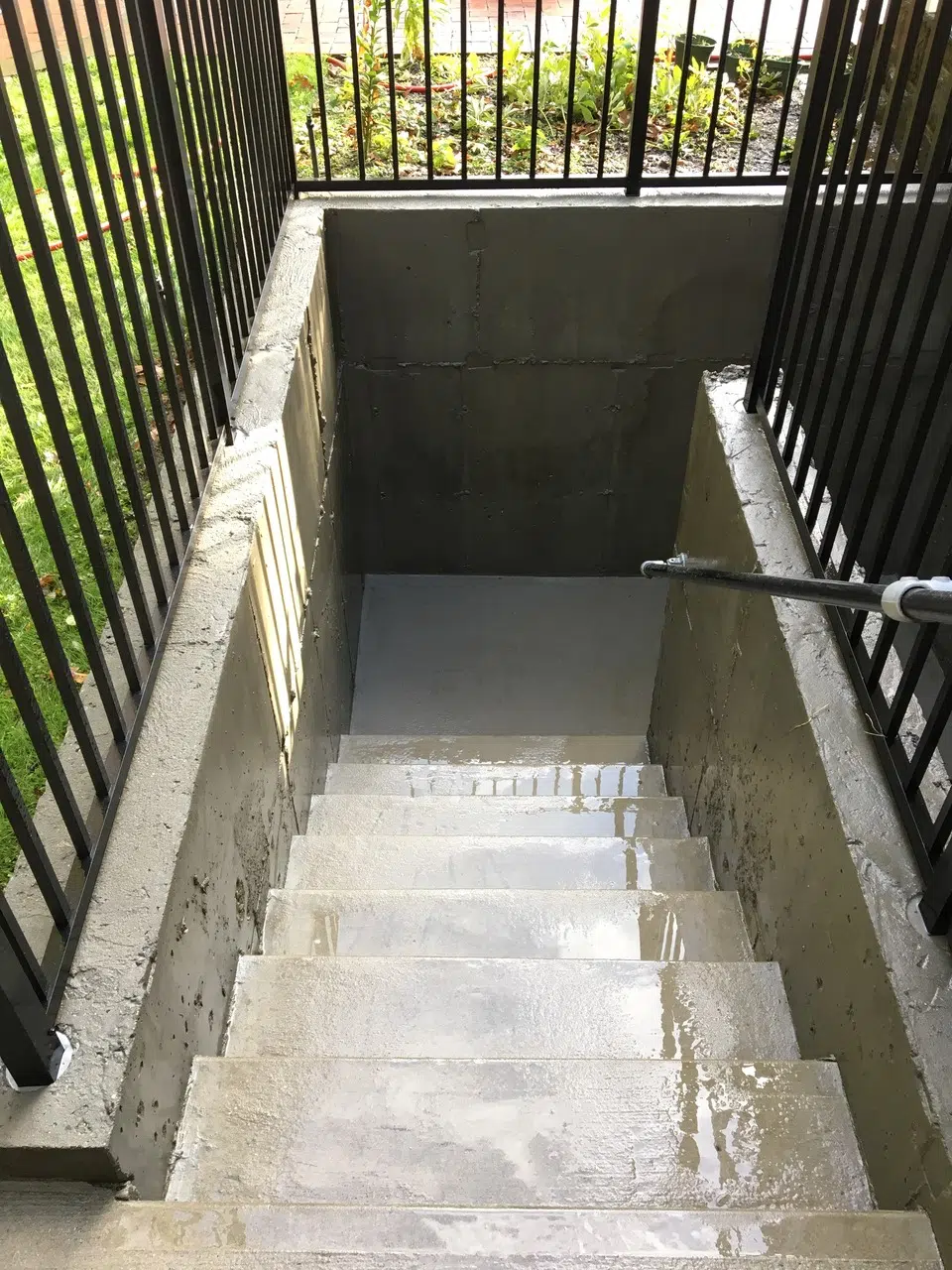
Concrete Cleaning
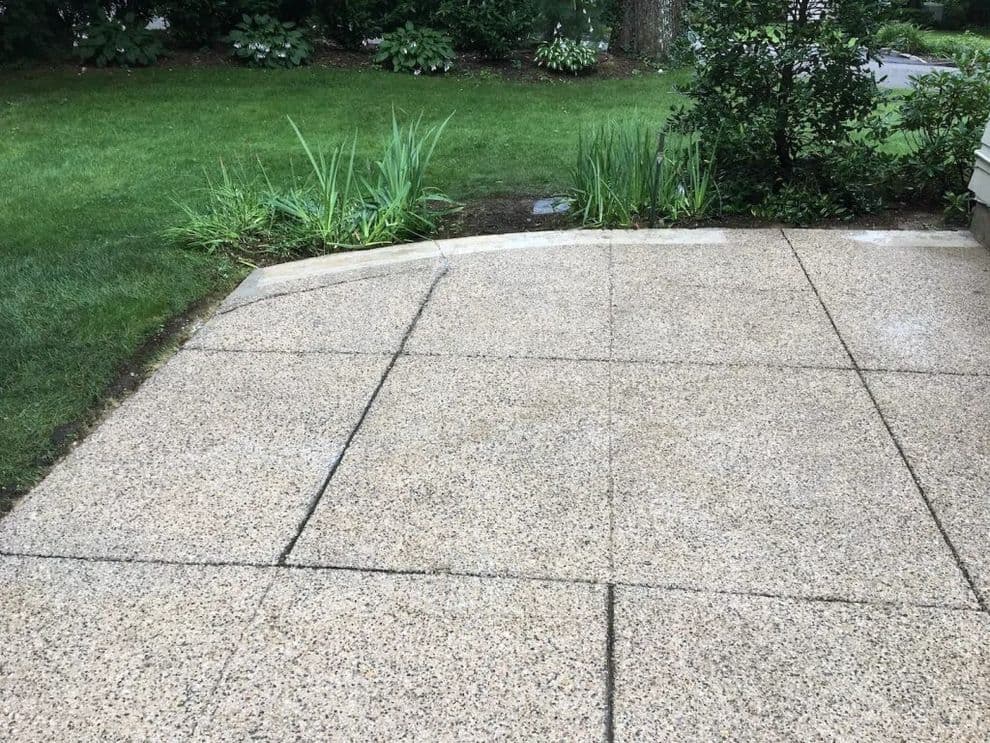
Concrete Sealing
The Paver Types We Restore
on Long Island
Every paver material breaks down differently, and the wrong pressure or chemistry on the wrong stone causes real damage. Here is how we handle each one.
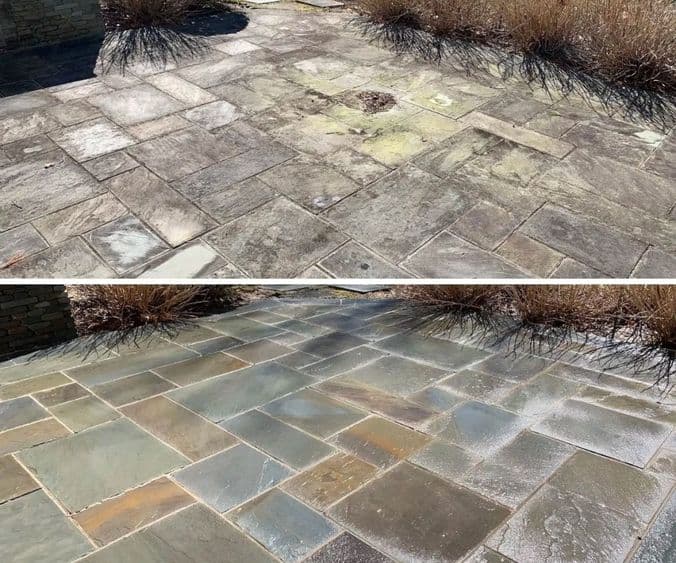
Bluestone
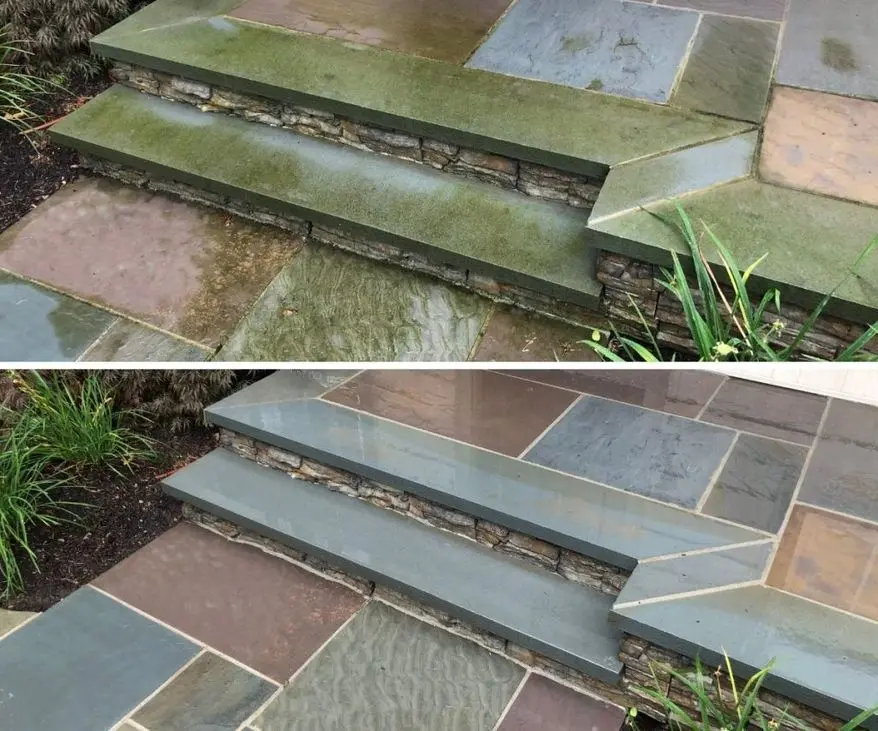
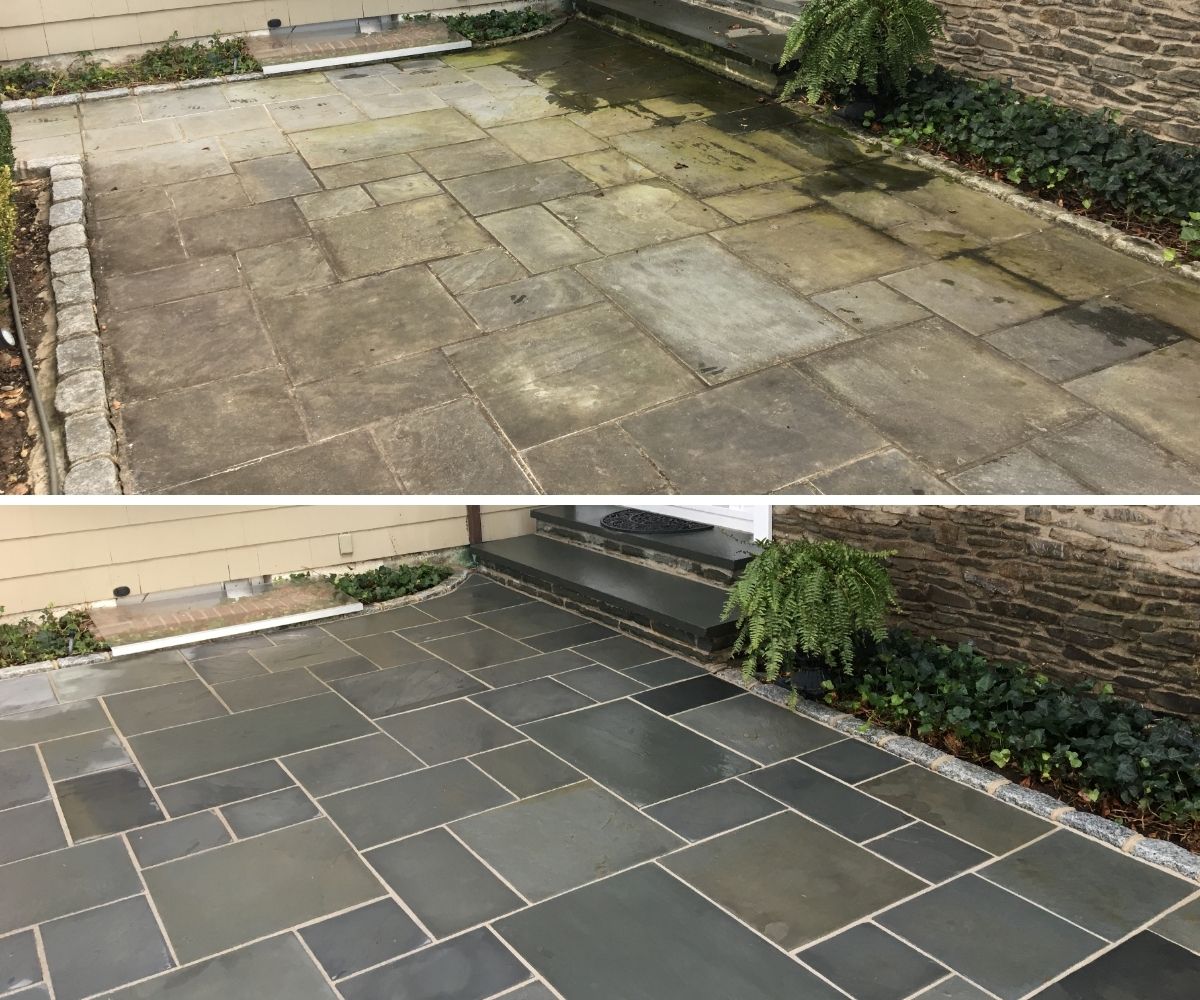
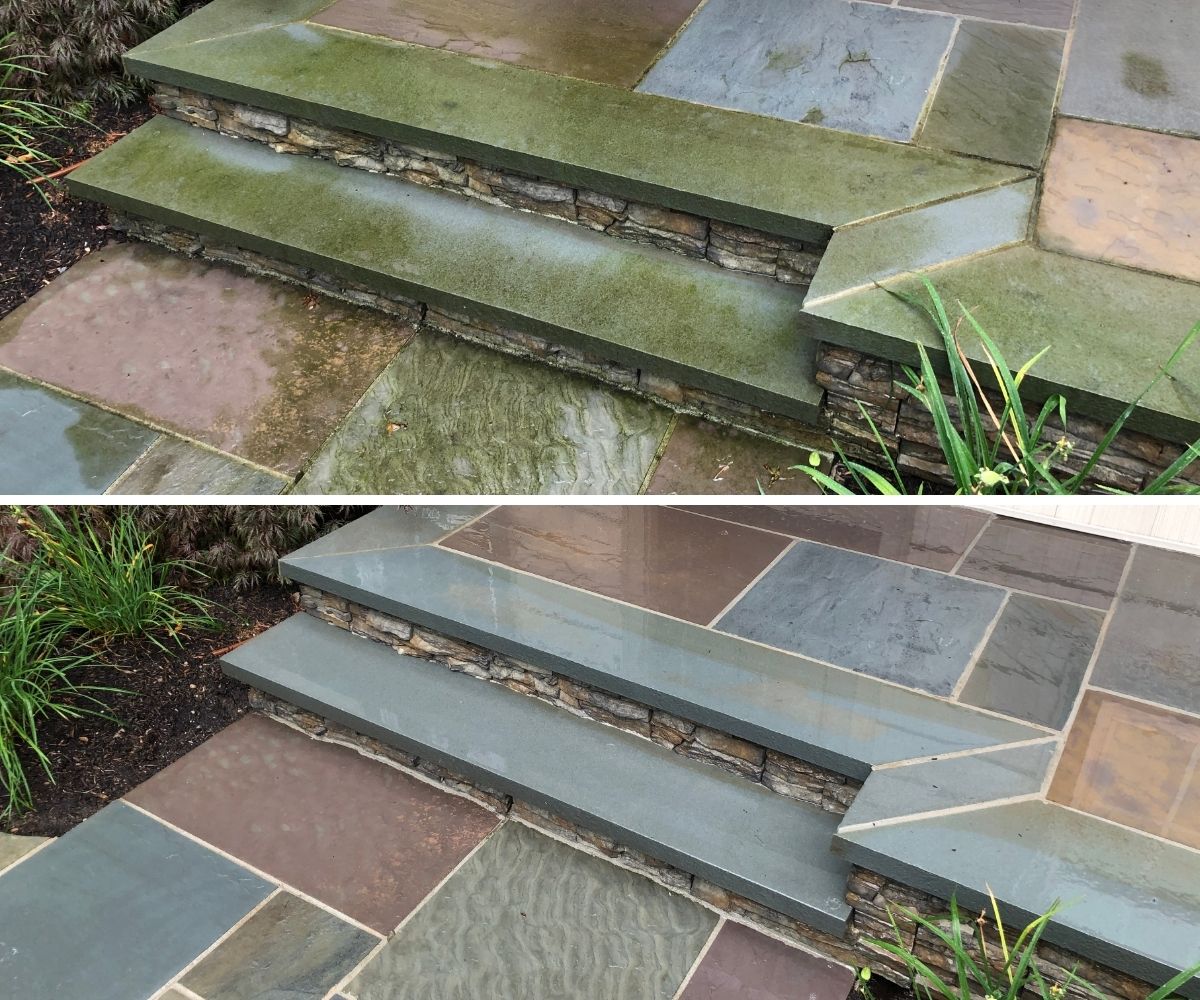
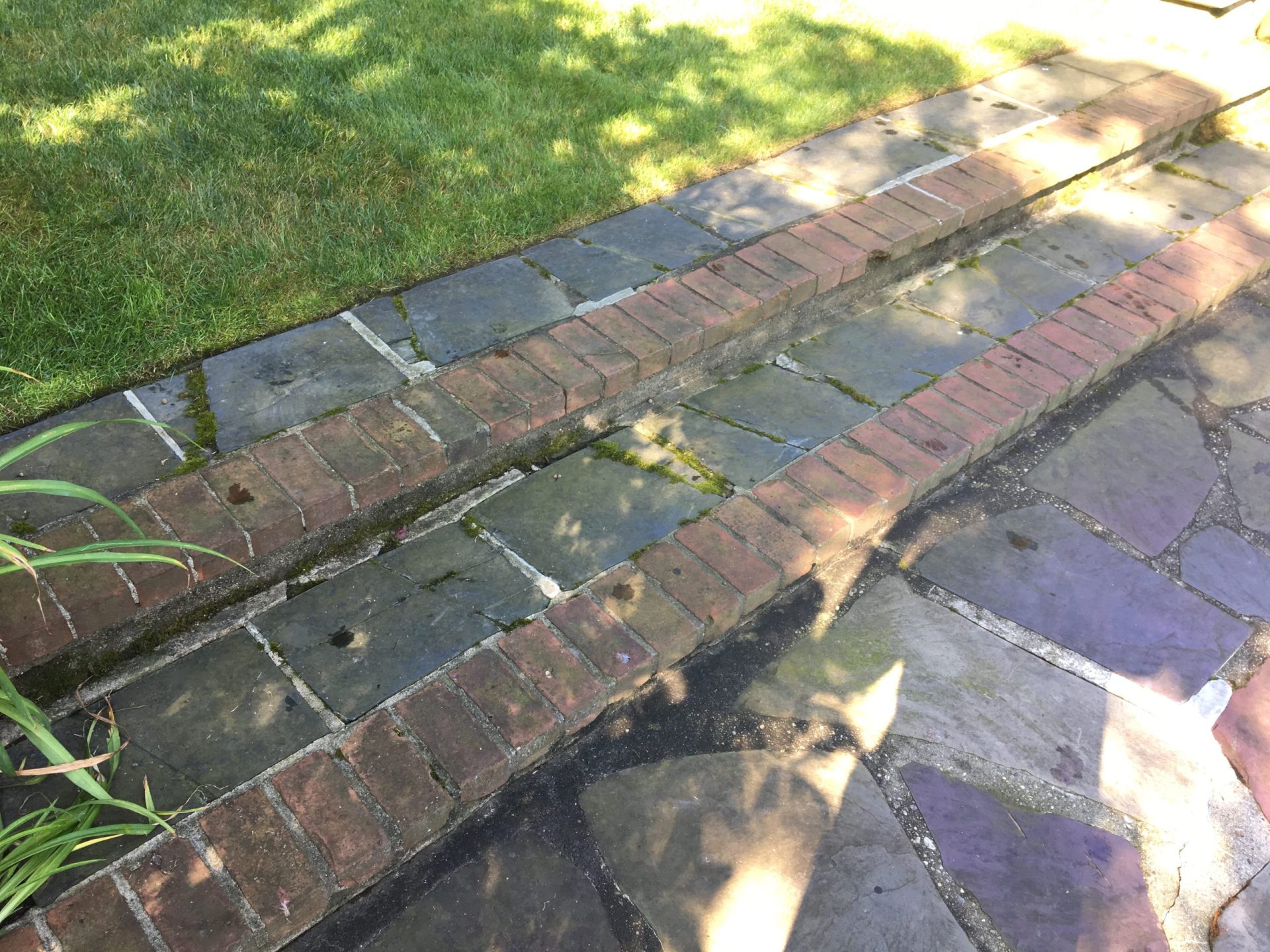
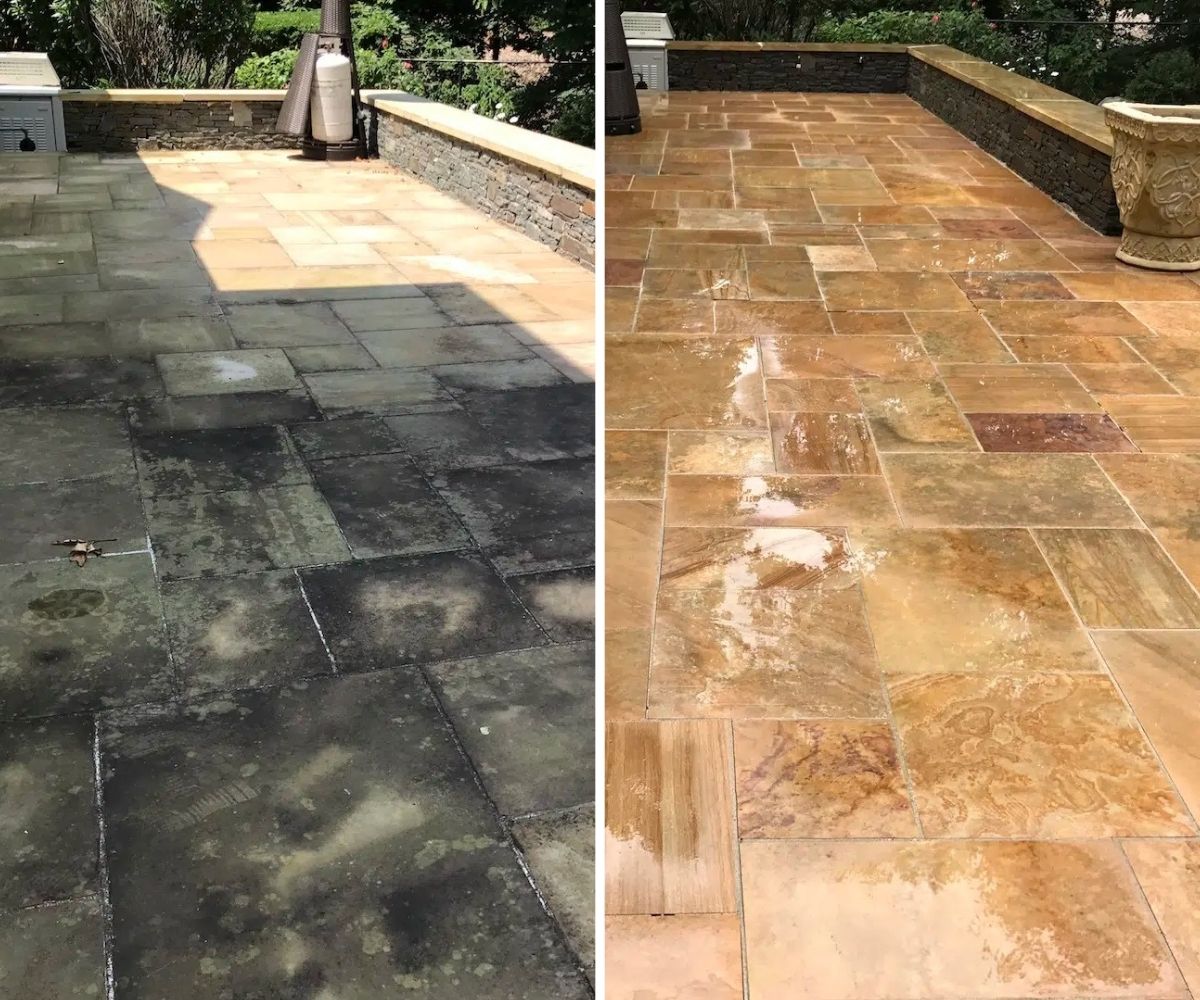
Bluestone is one of the most common high-end paver materials on Long Island patios and walkways. Over time, algae darkens the natural blue-gray surface, and moisture trapped in the stone’s fine grain can cause flaking if cleaned too aggressively. We wash bluestone at controlled pressure to preserve that grain, then seal it with a finish that brings back the original color without changing the stone’s natural look.
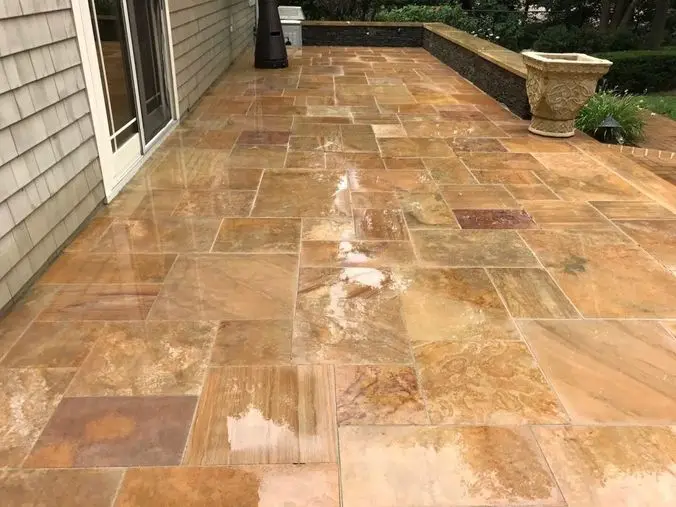
Crab Orchard
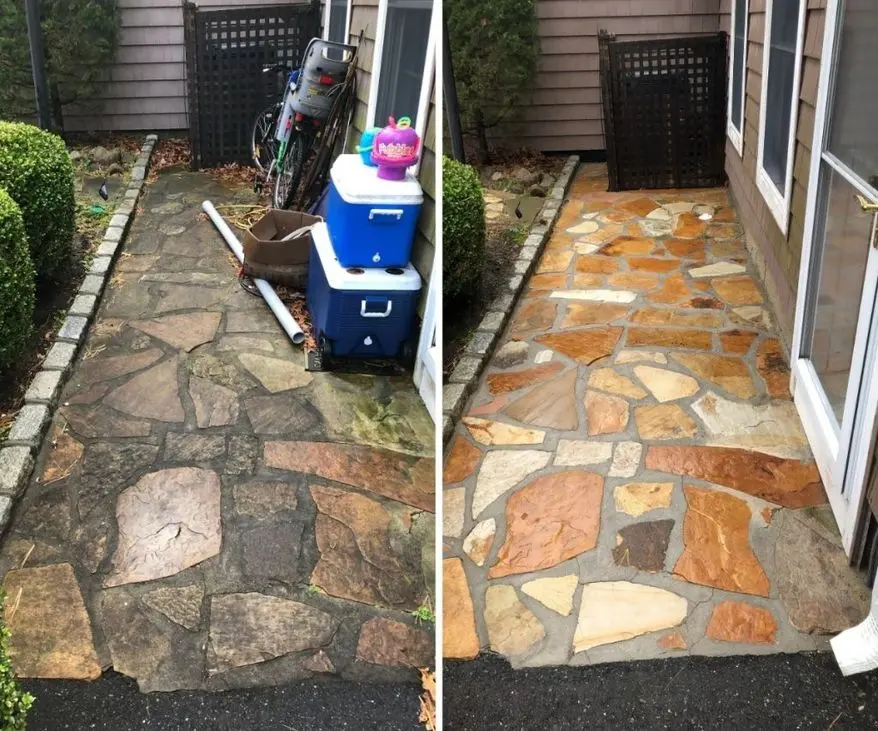
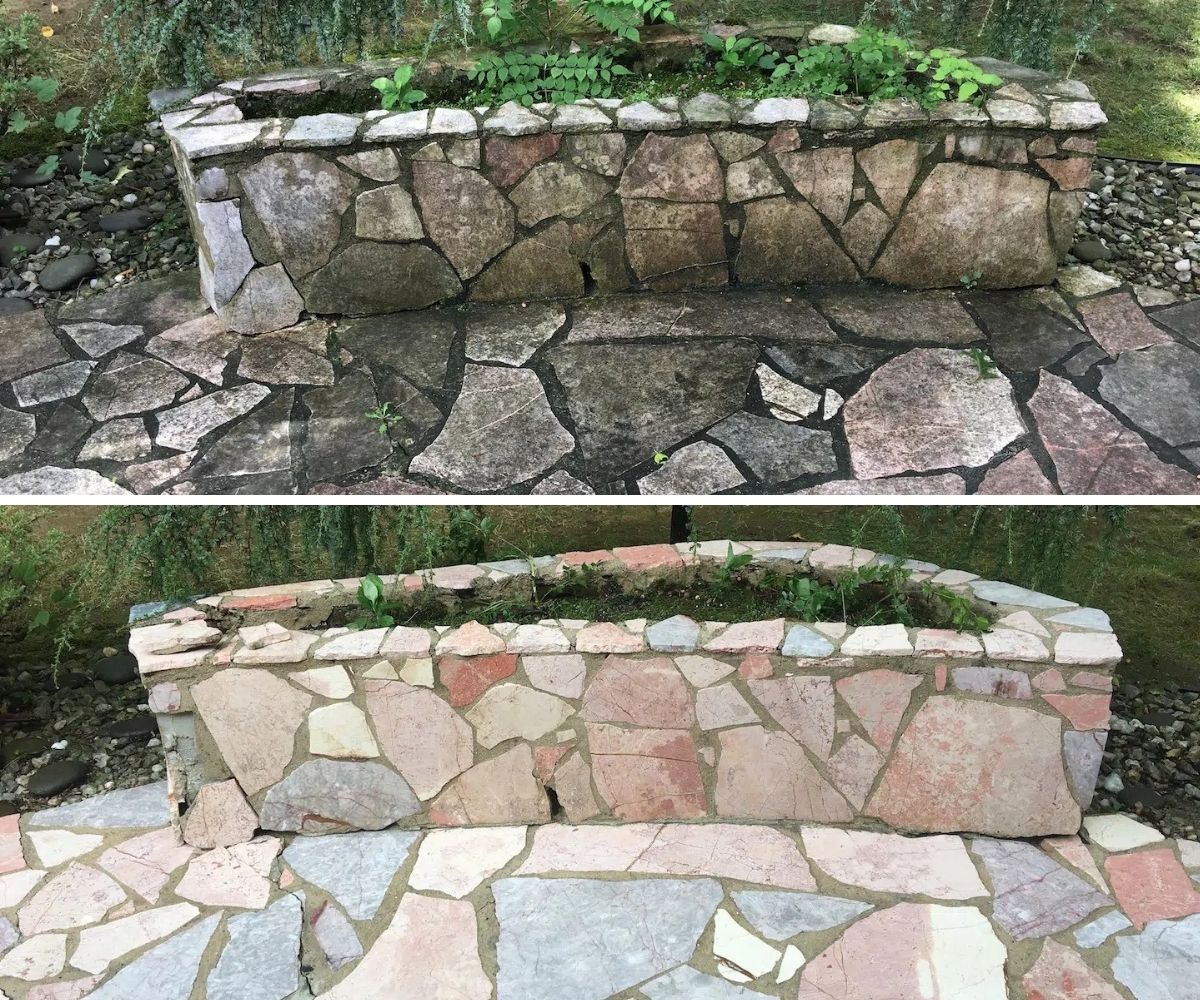
Crab Orchard is a natural flagstone with irregular edges and warm earth tones. Dirt and organic growth collect in the uneven surface texture, and the soft edges chip easily under standard pressure. We adjust the pressure to protect those edges, clean the irregular surface thoroughly, then seal and stabilize the joints.
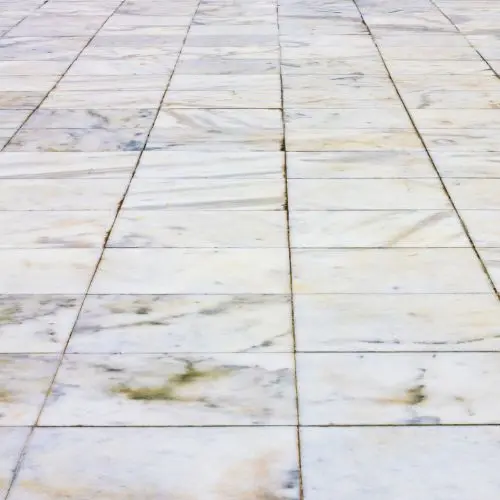
Marble
Marble etches and dulls quickly if hit with too much pressure or the wrong acid-based cleaner. We clean marble pavers at lower pressure with chemistry matched to the stone, then seal the surface to guard against moisture absorption and staining that would otherwise penetrate the polished finish.
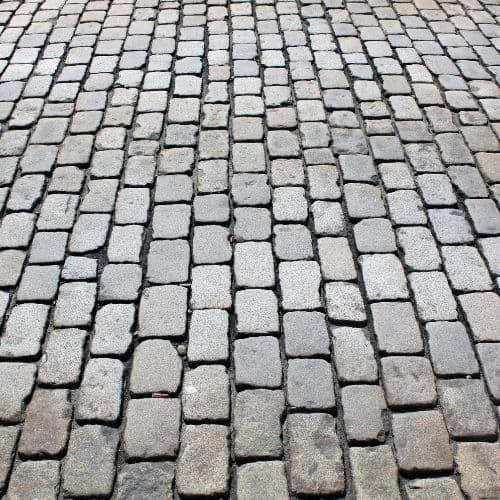
Granite
Granite is dense enough to handle the full pressure washing phase without surface damage, which makes it one of the more straightforward materials to restore. The main issue homeowners notice is organic staining that builds up in the joints over the years. Sealing brings out granite’s natural color depth and keeps those joints protected.
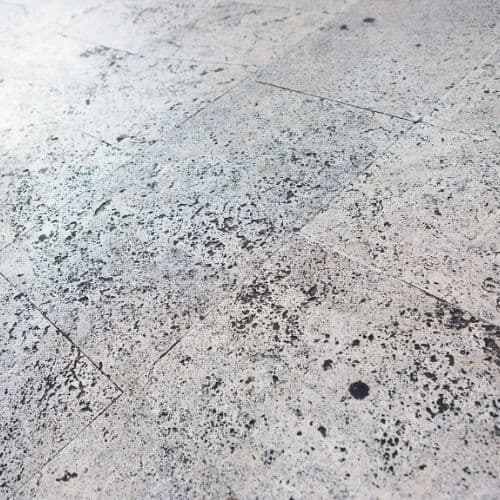
Travertine
Travertine is porous. It absorbs moisture, staining, and salt readily, which makes it especially vulnerable in Long Island’s coastal climate. Left unsealed, travertine patios and pool decks discolor and pit faster than most homeowners expect. We clean it carefully to avoid opening up the pores further, then seal it to reduce absorption and slow future deterioration.
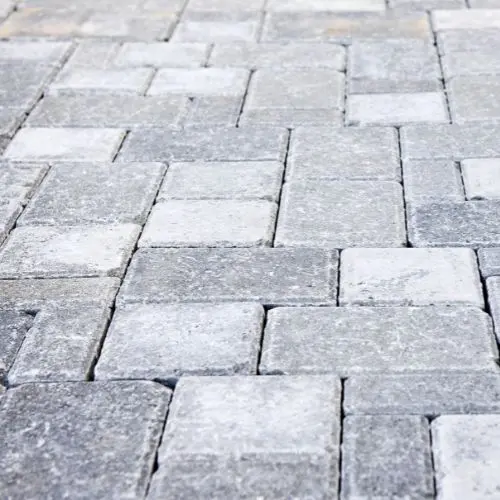
Cambridge Pavers
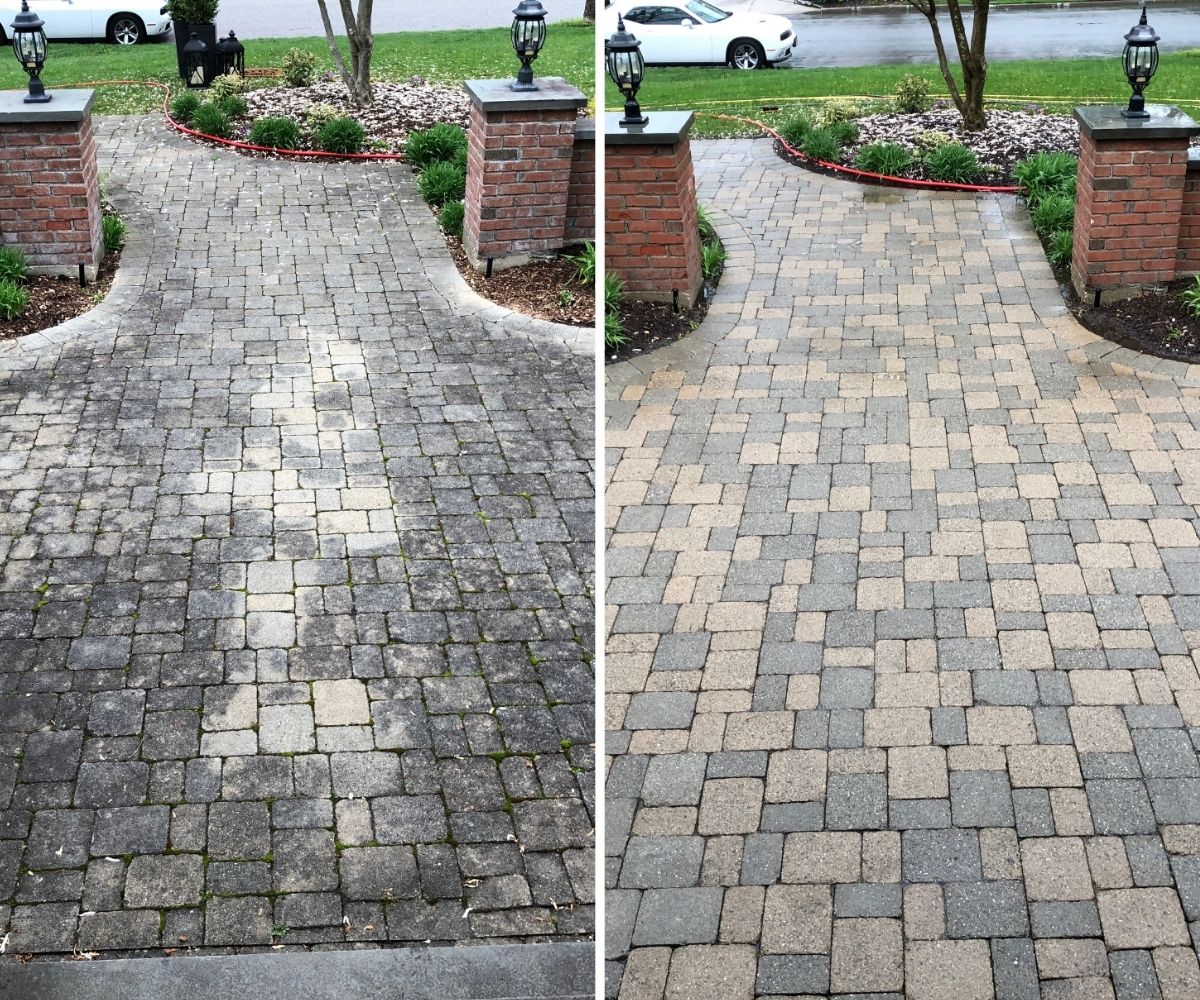
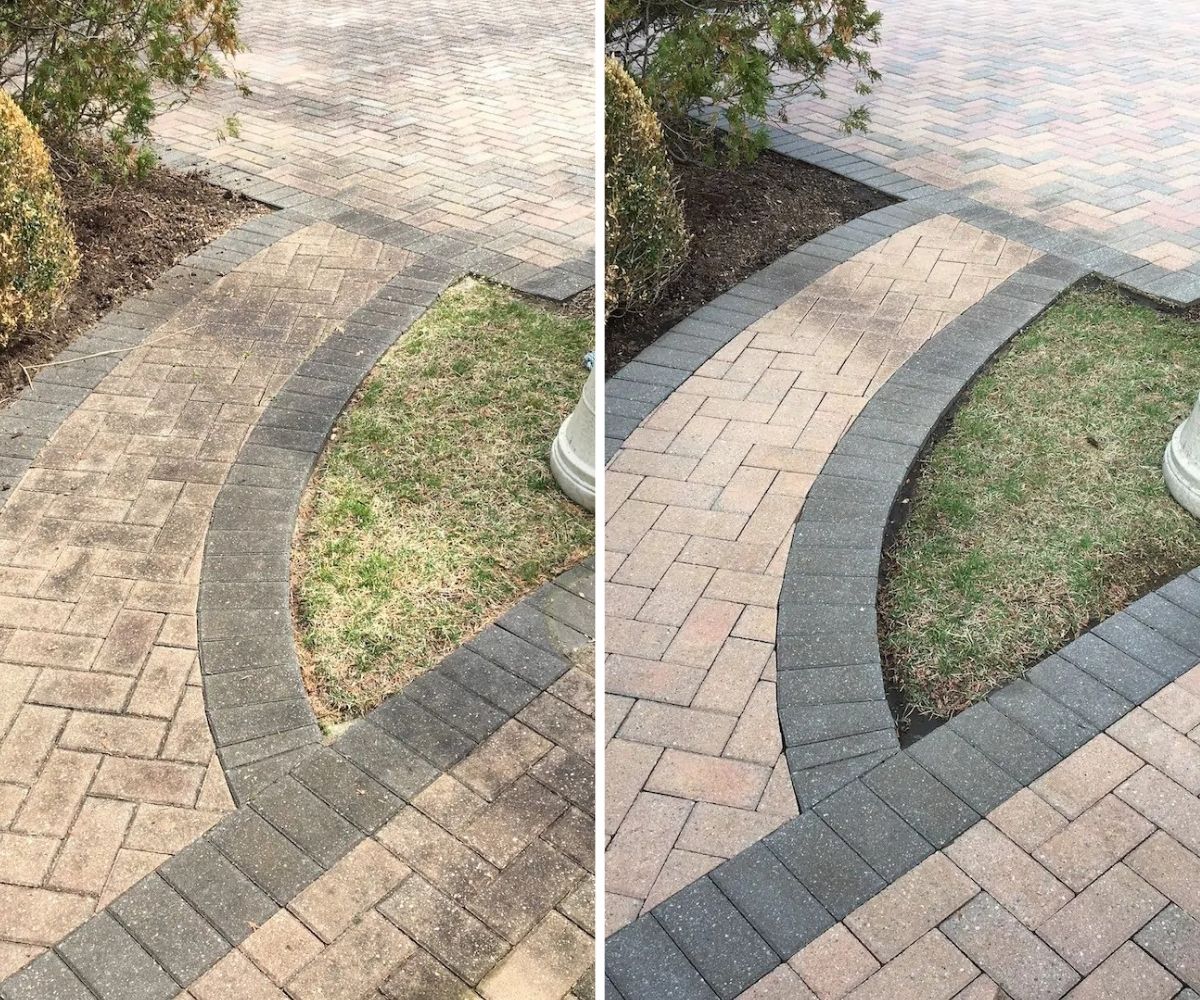
Cambridge is one of the most widely installed manufactured paver brands on Long Island. The most common issues we see are faded color, joint erosion, and weed growth after a few years of weather exposure. Cambridge pavers get the full three-step treatment: cleaned, resanded with polymeric sand to stabilize the joints, and sealed to restore the original color.
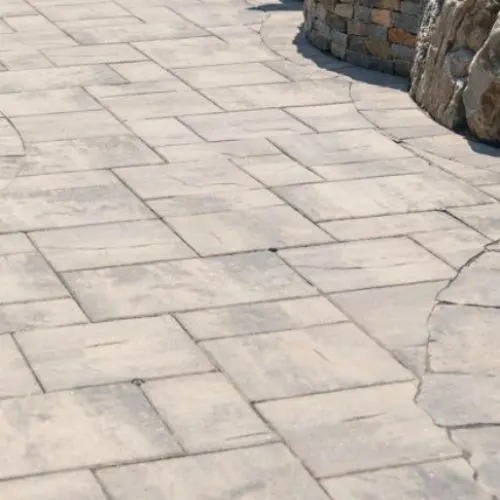
Nicolock Pavers
Nicolock is another popular manufactured paver across Long Island hardscapes, and it develops the same joint and color issues as Cambridge over time. We run Nicolock through the same three-step process: clean, resand with Alliance Gator polymeric sand, and seal.
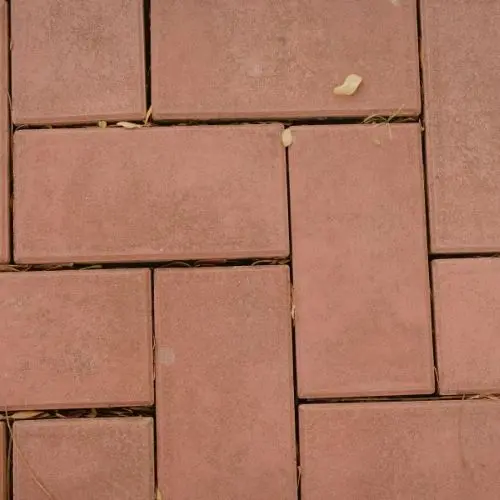
Brick Pavers
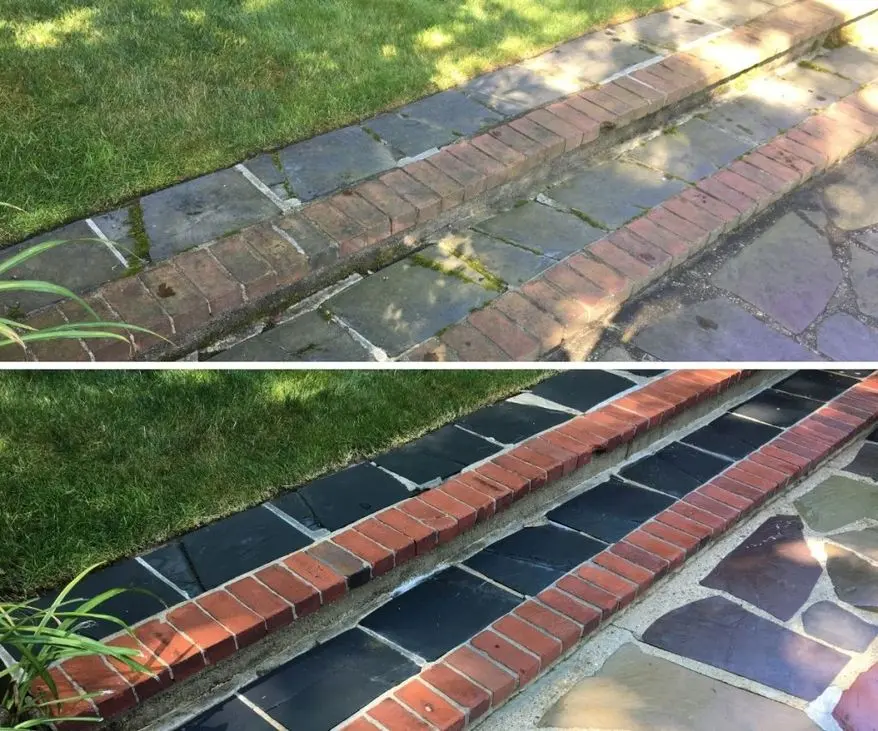
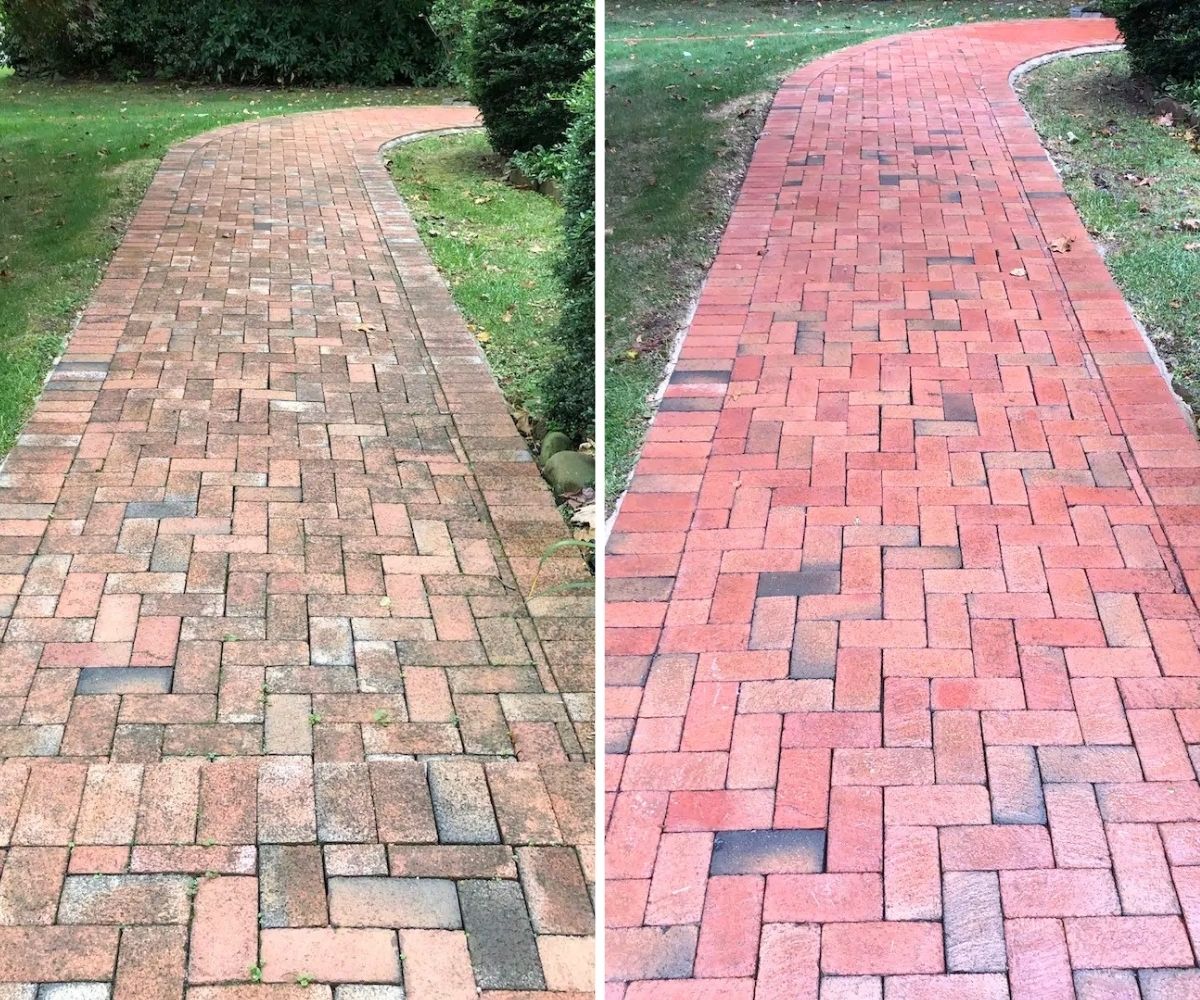
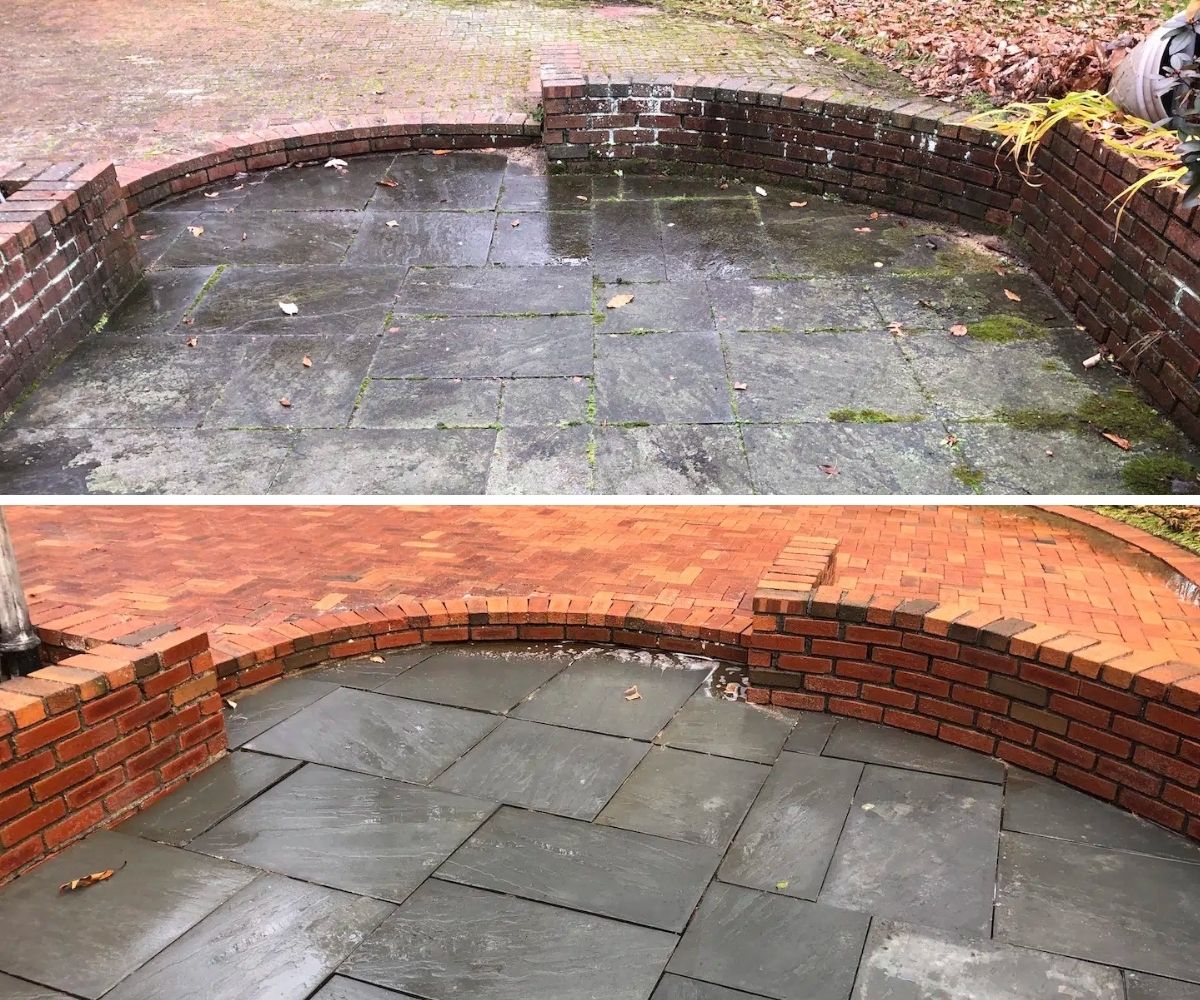
Brick is one of the most common paver materials we work with, and joint failure is the issue we see most often. Sand washes out, weeds fill the gaps, and bricks start shifting. Resanding with polymeric sand is especially critical on brick because it stops that cycle. We clean, resand, and seal, and the result is a stable, weed-resistant surface.
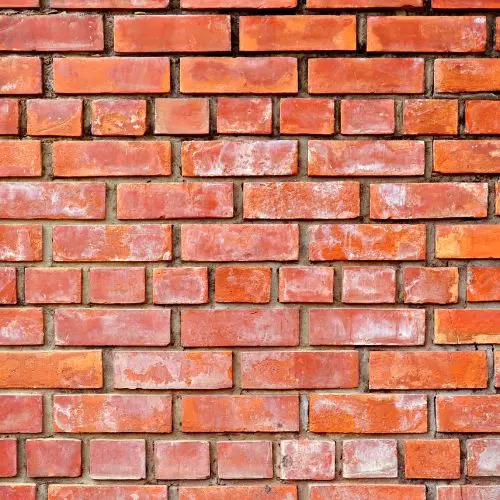
Old Red / Old Virginia Red Clay Brick
Vintage or reclaimed red clay brick has character worth preserving, but the aged surface is softer than modern brick and chips under standard pressure. We clean old red brick at reduced pressure, resand wherever the joints have eroded, and seal to protect the surface without stripping the patina that gives it its look.
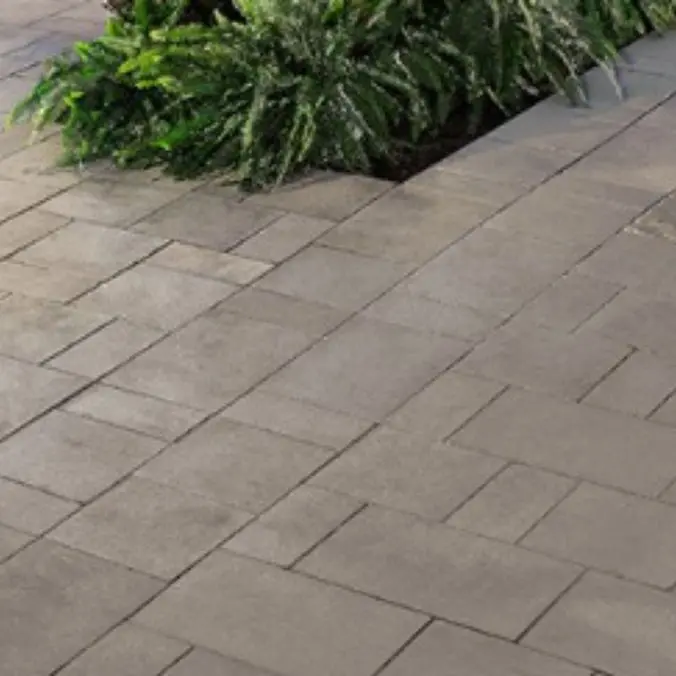
Tec-Bloc Pavers
Tec-Bloc is a premium manufactured paver found on many Long Island patios and driveways. Like Cambridge and Nicolock, Tec-Bloc develops faded color and joint erosion over time as weather and organic growth take hold. We put Tec-Bloc through the full three-step process: clean, resand with Alliance Gator polymeric sand, and seal to restore the original color and stabilize the joints.
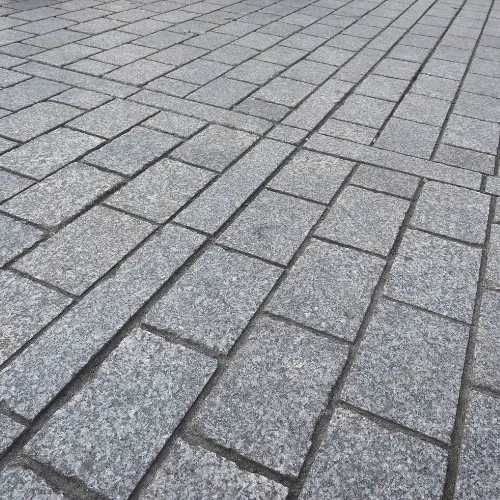
Concrete Pavers
Standard concrete pavers are the most common manufactured paver material on Long Island. They hold up well but lose their color and develop weed-filled joints faster than natural stone. The full three-step restoration applies: cleaning removes the buildup, polymeric resanding stabilizes the joints, and sealing brings the color back and protects the surface.
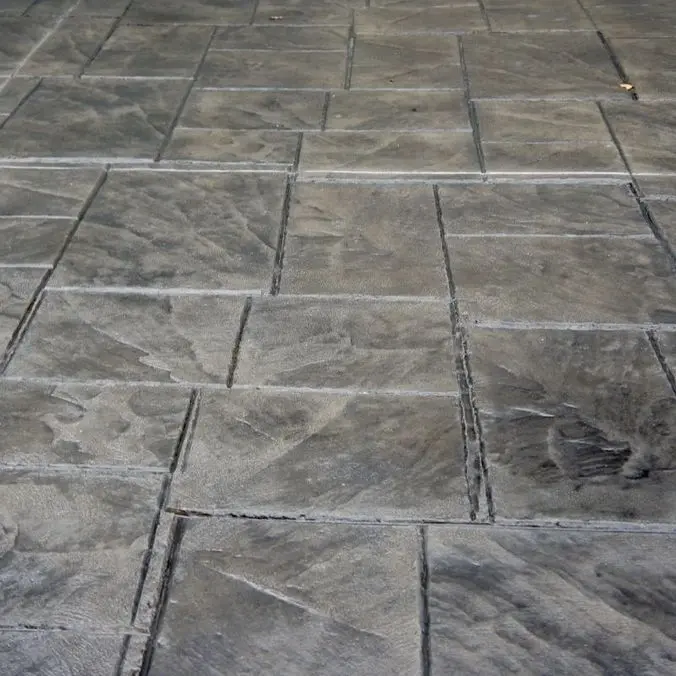
Stamped Concrete
Stamped concrete is a monolithic slab with a decorative pattern pressed into the surface, not individual pavers with sand joints. That means the restoration process is different: we clean the surface to remove dirt, algae, and staining, then seal it to restore the color and protect the pattern. Because there are no joints to resand, the polymeric resanding step does not apply. Cleaning and sealing are typically completed in one to two days.
Outdoor Tiles
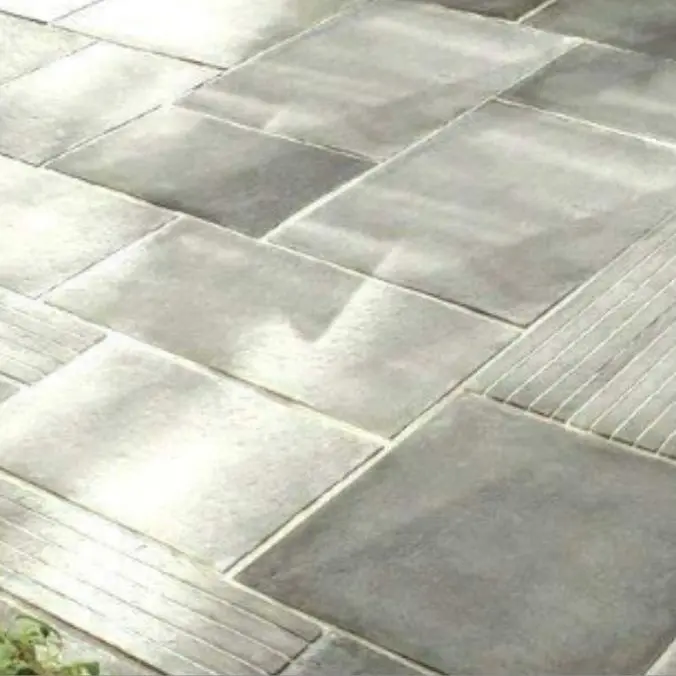
Outdoor porcelain and ceramic tiles are installed with grouted joints rather than sand-filled paver joints. We clean outdoor tile surfaces carefully to avoid damaging the grout lines, then seal where the tile and grout material allow it. Because grouted joints do not take polymeric sand, the resanding step does not apply. We assess the tile and grout condition at the estimate and let you know exactly what the job involves.
Sunken or Uneven Pavers?
We Fix That Too
Over time, pavers settle, shift, and sink, especially around pool decks and high-traffic walkways where Long Island’s freeze-thaw cycles and sandy soil base speed up the movement. A single shifted paver turns into a trip hazard, and the gaps between bricks let weeds and water work under the whole surface.
When that happens, you don’t need a separate contractor. We re-level sunken or uneven bricks as part of the restoration work:
- Affected bricks are lifted and the base underneath is corrected.
- The pavers are re-set at the proper grade.
- The polymeric re-sanding step locks everything back in position so the repair holds.
The re-leveling happens during the cleaning phase, before re-sanding and sealing, so the surface is solid underfoot when we finish.
What Sets Our Paver Restoration Apart
Plenty of companies will hose off a patio. Restoration is a different job, and here’s why homeowners bring it to us.

Over Two Million Square Feet of Pavers Restored
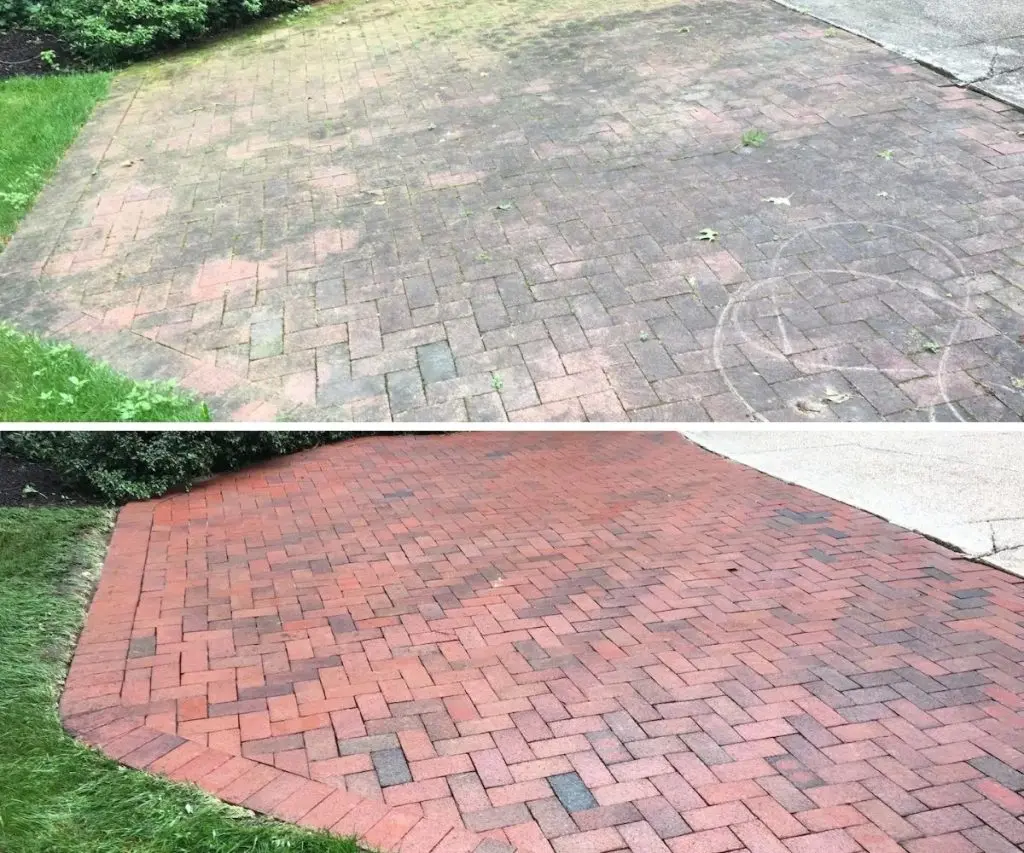
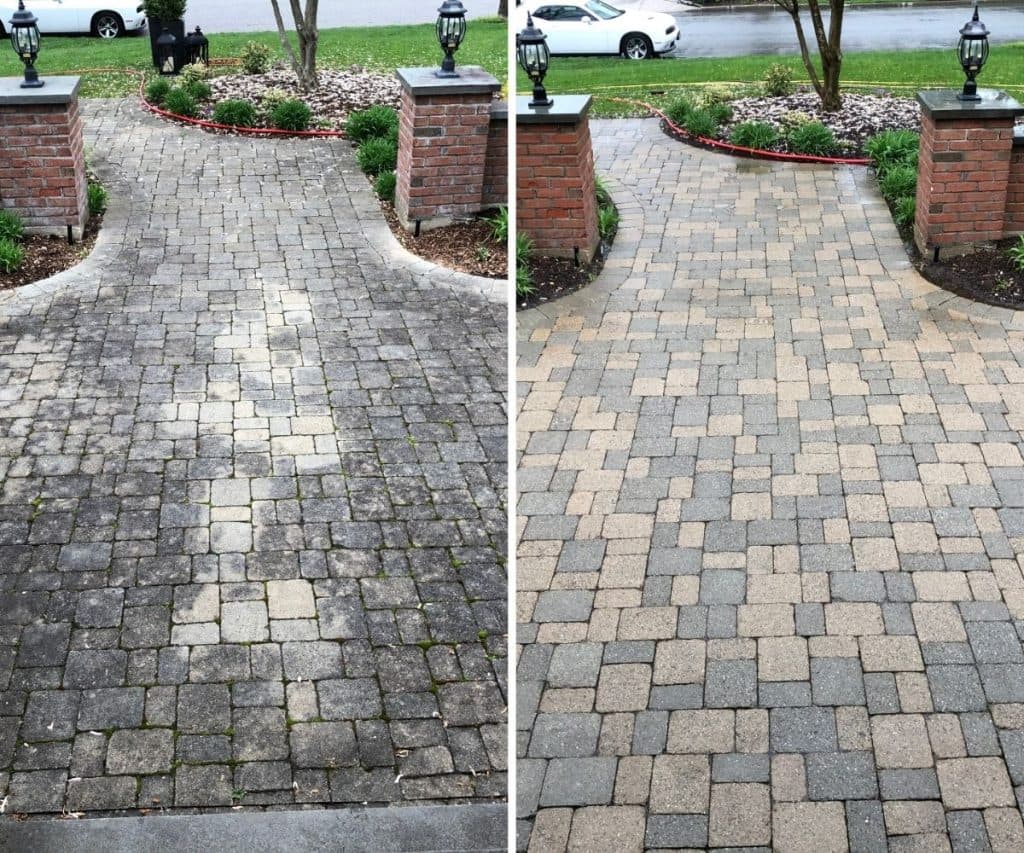
We’ve cleaned and sealed over two million square feet of pavers, from bluestone and travertine to Cambridge and old red clay brick, with a meticulous three-step restoration process. That’s the full range of materials Long Island homeowners live with.

The Whole Job From One Crew
The same team that cleans your pavers also re-sands the joints and seals the surface, with no handoffs between a cleaner and a separate finisher. One crew owning the job start to finish is what keeps the details right and puts the finished patio squarely on us.

Professional-Grade Alliance Gator and Trident Products
We build the restoration on Alliance Gator polymeric sand and Alliance Gator and Trident sealants. These are professional hardscape products made for the job, not a generic big-box sealer that flakes off in a season.

Honest Advice at Every Step
We tell you straight about what your hardscape actually needs, from whether the joints call for fresh sand to which sealer finish fits how you use the space. You get a clear recommendation for your patio, not a push toward the biggest ticket.

On Long Island Since 2006 and We've Seen Your Pavers Before
We’ve cleaned and restored properties across Long Island since 2006, over twenty years of exterior cleaning experience, so if it’s an odd one-off situation, we’ve probably seen it before and we know how to handle it.
How Our Paver Restoration Works,
Step by Step
From your first call to the final walkthrough, here’s exactly how a restoration goes.
The Free Written Estimate
You call or reach out, and an office manager takes down your details. The team measures everything and scopes the material and condition so the quote is exact, not a rough guess. Your written estimate is in your hands within 24 hours, and our first response comes within a half hour or less.
Scheduling and the Heads-Up
Once the job is booked, a pre-service reminder sequence goes out, roughly two days out, the day before, the day of, and an “on the way” notice. Restoration needs a dry stretch, since sanding and sealing both require a dry day, so weather can move the date.
Clean the Pavers
We prep the site, take before photos, and pre-rinse the surrounding plantings. Then we treat the surface with a proprietary blend to kill mold and organic growth, and we pressure wash, or a gentle soft wash where the joints are sound, always matched to the material so the surface isn’t damaged. Moss, weeds, and old sand come out of the joints where needed.
Re-Sand the Joints When Needed
When the joints call for it, we install fresh Alliance Gator polymeric sand. A leaf blower clears the surface first. We water the sand into the joints, run a tamper over it, then water it in once more and let it cure for about 24 hours.
Seal the Pavers When Appropriate
Once the surface is dry, clean, and free of rust and efflorescence, we apply your chosen sealant in a Natural, Semi-Gloss, or High-Gloss finish. We generally steer toward a color-enhancing Natural or Semi-Gloss, since a wet-look can get slippery.
Re-Level Sunken Bricks
If any bricks have settled or sunk, we re-level them before we finish, so the repair is built right into the restoration.
Walkthrough and Invoice
If you’re home, we walk the finished job with you and send after photos either way. Invoicing only comes once you’re satisfied with the result.
What Paver Restoration Costs
on Long Island
Paver restoration is priced by the steps your hardscape actually needs, cleaning, re-sanding, and sealing, so the exact figure depends on your material, your square footage, and the condition it’s in. Every job gets an exact written quote before any work starts.
- Paver cleaning is the clean step, done on its own or as step one of a full restoration. It’s priced per square foot and driven by how dirty the pavers are and whether the joints need clearing.
- Polymeric re-sanding is the sand step, and it carries a job minimum. We’ll confirm that minimum in your written estimate.
- Paver sealing is the seal step, priced per square foot, with your finish choice, Natural, Semi-Gloss, or High Gloss, affecting the price.
- A full restoration is priced as the sum of the steps your job needs, since every patio is different.
Bundling paver restoration with other services earns a discounted price. Ask about it when you get your estimate.
Our Paver Restoration Guarantee
Manufacturer-Spec Warranty
Our paver and sealing work is done to manufacturer specification and backed accordingly. We follow Alliance Gator and Trident application specifications, including proper surface prep, cure times, and product handling, which is what activates the warranty. If a product fails within the warranty period, the coverage is real because the installation was done right.
100% Satisfaction Guarantee
100% satisfaction guaranteed. If you’re not happy with the result, we’ll come back out, take a look, and make it right. Call us and a team member inspects within a half hour, and we take care of whatever needs correcting.
Guidance You Can Trust on Your Finish
Part of standing behind the work is honest advice before we seal. We tend to steer homeowners toward a color-enhancing Natural or Semi-Gloss finish, and it’s our most popular recommendation.




What Customers Say


I contacted Squeaky Clean and requested an estimate and the owner, Matt, quickly responded giving me a very detailed proposal. It was in line what I thought were reasonable prices and about what I was expecting and being a retired engineer was pleasantly surprised by the complete details and that it was all put in writing. I didn’t even have to request a copy of his liability insurance certificate and business license as it was included with the proposal. Feeling very comfortable with my previous business with Matt last year and the new proposal scope/pricing I agreed to hire them again. Matt was honest and upfront that he was very busy but could get to me in about 3 weeks and would work with my schedule to ensure I was home when they came which was acceptable.
My appointment day came and I met the crew (Jacob and Manny I believe). They were very polite, personable and energetic to do a good job and we reviewed the scope of work and within 10 minutes they were going at it.
After 4-1/2 hours they were finished and everything was clean and the new gutter guards were in place. They use the right equipment and special detergent to safely and efficiently remove mold, moss/algae and surface dirt.
I was again extremely pleased with the whole experience from start to finish. I’d highly recommend them; you will not be disappointed!


Paver Restoration FAQs
How long does a full paver restoration take?
A full restoration runs about three days, weather permitting. The re-sanding step is a few hours of application plus roughly a 24-hour cure, and both sanding and sealing need a dry day. If you’re only having the pavers cleaned, that’s a much shorter job, usually a few hours.
Do I have to re-sand and re-seal, or can I just get the pavers cleaned?
You can stop at cleaning. Paver cleaning is offered on its own, and we re-sand the joints and seal the surface only when they need it. If your joints are sound and a sealer isn’t a priority for you, a straightforward clean can be the right call for your patio.
Which sealer finish should I choose, and is the high-gloss slippery?
We offer three finishes: Natural, Semi-Gloss, and High Gloss. A high-gloss wet-look finish can get slippery when wet, so we tend to steer homeowners toward a color-enhancing Natural or Semi-Gloss finish. Both of those are lower-sheen, and we’ll walk you through the trade-offs at the estimate.
Will sealing change the color of my pavers?
The Natural and Semi-Gloss finishes deepen and enrich the paver color rather than leaving it flat. A high-gloss wet-look is the most dramatic change, while the lower-sheen finishes are more subtle. We’ll show you what to expect for your specific material and finish before we seal anything.
Do I need to be home during a paver restoration?
You don’t have to be home for the work itself. The restoration runs across about three days, and we send reminders plus an “on the way” notice so you always know when we’re coming. If you are home at the end, we’ll walk the finished job with you.
Get Your Free Paver Restoration Quote on Long Island
Your free written estimate is in your hands within 24 hours, with no obligation. Whether it’s a bluestone patio or a paver walkway that’s lost its color, we’ll bring it back and leave your Long Island hardscape looking like new. Call Squeaky Clean Property Solutions at (631) 387-2156 to get on the calendar.